Keeping your vehicle looking its best takes more than regular washing. Everyday driving exposes your paint to road debris, stone chips, dirt, UV exposure, and other elements that can affect its appearance over time. Two popular ways to protect your vehicle’s exterior are paint protection film (PPF) and ceramic coating.
Although both provide valuable protection, they work in different ways. PPF is designed to help protect painted surfaces from physical damage, while ceramic coating adds a protective layer that helps repel water, dirt, and contaminants.
At Route 46 Window Tint in South Hackensack, New Jersey, we help vehicle owners explore protection options based on their vehicle, driving habits, and goals. In this guide, we’ll explain the differences between PPF and ceramic coating, the benefits of each, and how to decide which is right for your vehicle.
What Is Paint Protection Film (PPF)?
Paint protection film, commonly called PPF, is a transparent or colored protective film applied to a vehicle’s painted surfaces. It creates a physical barrier between the paint and everyday road hazards.
PPF is particularly useful for protecting areas that are frequently exposed to flying debris, such as the front bumper, hood, fenders, and side mirrors.
Benefits of PPF
Protection against stone chips: PPF helps absorb the impact of small road debris that could otherwise chip or damage the paint.
Resistance to scratches and scuffs: Depending on the product and the severity of the contact, PPF can help protect the underlying paint from minor scratches and abrasions.
Self-healing properties: Some modern PPF products feature self-healing topcoats that can reduce the appearance of certain light surface scratches when exposed to suitable heat.
Preserving your vehicle’s finish: By protecting vulnerable painted surfaces, PPF can help maintain your vehicle’s appearance over time.
Gloss or matte finishes: Depending on the film selected, PPF can preserve a glossy appearance or transform a gloss-painted vehicle with a matte or satin finish.
PPF is especially worth considering for new vehicles, luxury cars, sports cars, and vehicles driven frequently on highways.
It’s important to understand that PPF is not indestructible. Severe impacts, deep cuts, and damage beyond the film’s capabilities can still affect the paint underneath.
What Is Ceramic Coating?
Ceramic coating is a liquid protective product applied to a vehicle’s exterior. Once properly installed and cured, it forms a durable, bonded layer over the vehicle’s paint.
Unlike PPF, ceramic coating does not create a thick physical barrier capable of absorbing stone-chip impacts. Instead, it is primarily used to improve surface characteristics and make the vehicle easier to maintain.
Benefits of Ceramic Coating
Hydrophobic properties: Ceramic coatings help water bead and roll off the surface, making routine washing easier.
Easier cleaning: Dirt and certain contaminants can be easier to remove from a properly coated surface.
Enhanced gloss: Ceramic coatings can improve the appearance of a vehicle’s paint by adding depth and gloss, depending on the paint condition and product used.
Chemical resistance: Quality coatings can provide resistance to certain environmental contaminants and chemicals within the limits of the specific product.
UV-related protection: Ceramic coatings may help reduce some effects of environmental exposure, although they should not be considered a complete solution for preventing fading or oxidation.
Ceramic coating is a popular choice for drivers who want to maintain their vehicle’s appearance while making routine cleaning and maintenance more convenient.
However, ceramic coating does not prevent stone chips in the same way that PPF does, nor does it make paint completely scratchproof.
PPF vs. Ceramic Coating: What’s the Difference?
While both products help protect your vehicle’s finish, their primary purposes are different.
| Feature | Paint Protection Film (PPF) | Ceramic Coating |
|---|---|---|
| Primary purpose | Physical protection against road debris and minor abrasions | Surface protection and easier maintenance |
| Stone-chip protection | Yes, within the film’s capabilities | No meaningful stone-chip protection |
| Scratch resistance | Helps protect against certain scratches and scuffs | Provides limited resistance to some light surface marring |
| Water repellency | Varies by film and topcoat | Strong hydrophobic properties with many products |
| Appearance | Available in clear, gloss, matte, and other finishes | Generally enhances the existing finish |
| Cleaning and maintenance | Helps protect the covered paint | Helps dirt and water release more easily |
| Coverage | Applied to selected panels or larger portions of the vehicle | Applied to prepared exterior surfaces |
| Best suited for | Drivers concerned about chips and physical paint damage | Drivers focused on gloss and easier maintenance |
The biggest difference is simple: PPF helps protect against physical damage, while ceramic coating primarily improves surface protection and maintenance.
Neither option makes your vehicle completely immune to damage, but each can play an important role in maintaining its appearance.
Which Is Better for a New Car?
If you’ve recently purchased a new vehicle, protecting the paint early can help preserve its condition before everyday driving begins to leave its mark.
For drivers concerned about stone chips and road debris, PPF is often the more appropriate starting point.
The front bumper, hood, front fenders, and side mirrors are common areas to consider because they are frequently exposed to debris while driving.
Ceramic coating can also be beneficial for a new car, especially if your priority is gloss, water repellency, and easier cleaning.
The right choice depends on your budget and how you use the vehicle. Drivers who spend considerable time on highways may prioritize PPF, while those primarily interested in easier maintenance may prefer ceramic coating.
For many new-car owners, combining both services provides the most comprehensive approach.
Can You Get PPF and Ceramic Coating Together?
Yes. PPF and ceramic coating can complement each other when used appropriately.
PPF is installed on selected painted surfaces to provide a physical barrier against road hazards. Ceramic coating can then be applied to compatible surfaces, including suitable PPF, to enhance water repellency and simplify maintenance.
For example, a driver might install PPF on the front bumper, hood, fenders, and mirrors, then apply ceramic coating to the remaining painted surfaces and compatible film.
This approach addresses two different concerns: physical protection in vulnerable areas and easier maintenance across the vehicle.
Product compatibility and installation instructions matter. Ceramic coating should be selected and applied according to the PPF manufacturer’s recommendations, and the film or paint must be properly prepared.
If you’re considering both services, a professional installer can help determine the appropriate coverage and sequence.
Is PPF or Ceramic Coating More Expensive?
The cost of either service depends on several factors, including vehicle size, paint condition, product selection, coverage, and preparation requirements.
PPF pricing is heavily influenced by how much of the vehicle will be covered. Protecting a few high-impact panels generally costs less than installing film across the entire vehicle.
Ceramic coating pricing depends on the coating product, the size and condition of the vehicle, and the amount of paint correction or preparation required before application.
Although PPF may involve a larger initial investment, it serves a different purpose from ceramic coating. Comparing prices without considering the protection each provides can lead to the wrong decision.
When requesting a quote, ask which areas will be covered, what preparation is included, how long the product is expected to last under normal conditions, and what warranty coverage is available.
Is Matte PPF Different From Regular PPF?
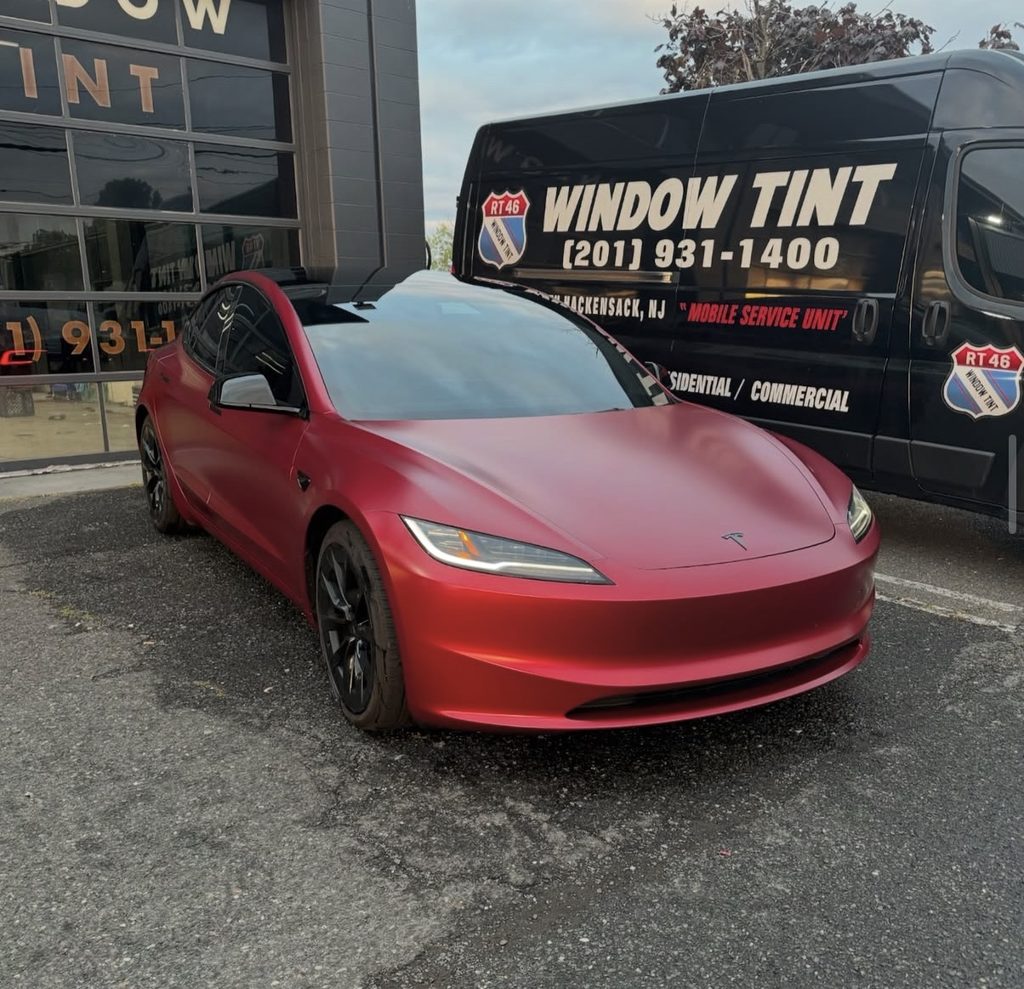
Yes. Matte PPF, sometimes called stealth PPF, is designed to give a vehicle a satin or matte appearance while helping protect the underlying paint.
It is particularly popular among owners who want to change the appearance of a gloss-painted vehicle without committing to a permanent paint change.
Gloss PPF is designed to maintain or enhance a traditional glossy finish, while matte PPF changes the surface appearance.
Both types can provide physical protection, although product performance and warranty coverage vary by manufacturer.
For owners of luxury vehicles, sports cars, and electric vehicles, matte PPF can combine a distinctive appearance with practical paint protection.
How to Choose the Right Protection for Your Vehicle
Before deciding between PPF and ceramic coating, consider what matters most to you.
Choose PPF if you’re primarily concerned about:
- Stone chips and road debris.
- Protecting high-impact areas.
- Preserving the condition of new or expensive paint.
- Minor scratches and scuffs within the film’s protective capabilities.
- Maintaining a gloss finish or achieving a matte appearance with the appropriate film.
Choose ceramic coating if you’re primarily concerned about:
- Water repellency.
- Easier washing and maintenance.
- Enhancing paint gloss.
- Helping resist certain environmental contaminants.
- Maintaining a clean appearance with less effort.
Consider both if you want a combination of physical paint protection and easier maintenance.
Your driving habits, budget, vehicle condition, and long-term ownership plans should all factor into the decision.
Professional PPF and Ceramic Coating in South Hackensack, NJ
At Route 46 Window Tint, we help drivers explore vehicle protection options based on their goals, preferences, and budget.
Whether you’re protecting a newly purchased vehicle, maintaining a luxury car, or considering a matte finish, choosing the appropriate product and coverage is an important part of the process.
Our team can help you understand the differences between paint protection film and ceramic coating so you can make an informed decision about your vehicle.
If you’re considering PPF, ceramic coating, or a combination of both, contact Route 46 Window Tint in South Hackensack, NJ, to discuss your options.
Protect your investment and keep your vehicle looking its best with a protection solution suited to your needs.